Eco Magazine

Insights, success stories and innovation from the world of reverse logistics, reusable packaging and sustainability.

Ruppin Lecturers Write in TheMarker: Artificial Intelligence and the Circular Economy

Two articles by lecturers in Ruppin’s supply chain program were published in TheMarker: on artificial intelligence, and on technology and the circular economy.

E-commerce Return Fraud: The Economic and Environmental Cost of Lenient Return Policies

Generous return policies helped online retailers grow, but they also opened the door to fraud worth tens of billions of dollars a year, and to environmental damage that all of us pay for.

Online Shopping and Sustainability: Blow or Hope?

Order three sizes and return two: convenient for us, but costly for the planet. On the environmental price of returns, and the solutions that already exist.

Trees, Groves and Forests: Why Deforestation Is Also a Logistics Issue

At the Glasgow climate conference, 105 countries pledged to stop deforestation. What does this have to do with the supply chain, and with the packaging we ship every day?

Shopping Holidays and the Climate Crisis: It Is Up to Us

Black Friday, Singles’ Day and the holiday season: tempting deals, fast shipping and a heavy environmental price. How does our consumption drive emissions?

Success Story: Half the Emissions in Fitro Furniture’s Distribution Network

How moving to a shared logistics center cut costs and reduced air pollution by almost half in the distribution network of a leading office furniture company.

Logistics and Environmental Legislation: How Regulation Is Changing the Supply Chain

From the “polluter pays” principle to fines on packaging waste: environmental legislation restricts old activities and creates new opportunities.

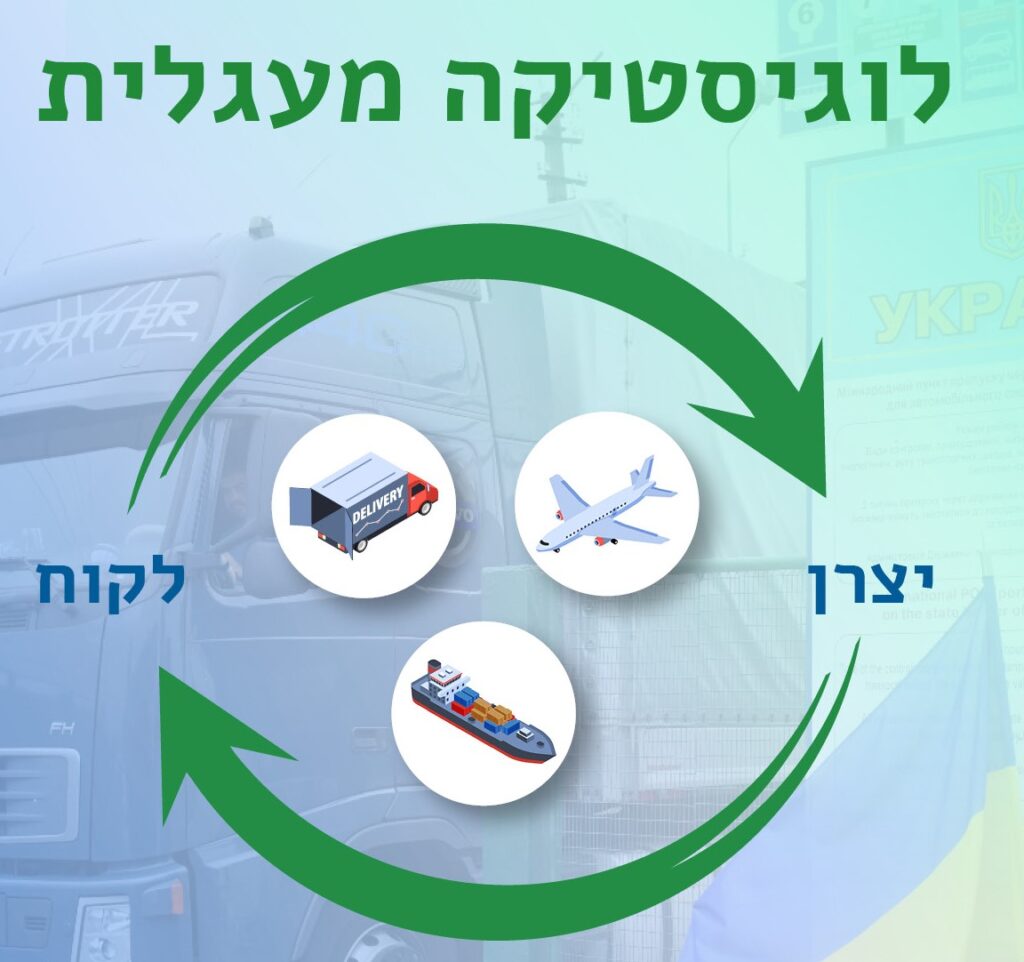
Circular Logistics: What Is It Anyway?

Reverse logistics and recycling logistics: the two paths that turn the supply chain from linear to circular, and the central role of packaging.

Quiet on the Tracks: Reducing Noise and Emissions at Israel Railways

The electrification of Israel Railways reduces noise and emissions and saves diesel. A review written as part of the master’s degree in Global Supply Chain at Ruppin.

Short Supply Chain, Higher Food Security: The Case of Malawi

Moving from expensive imports to local agricultural production shortened Malawi’s supply chain and lowered vegetable prices by about 40%.