Logistics affects not only costs, but also people’s lives. Malawi is an example of how shortening the supply chain can improve the food security of an entire country.
The starting point
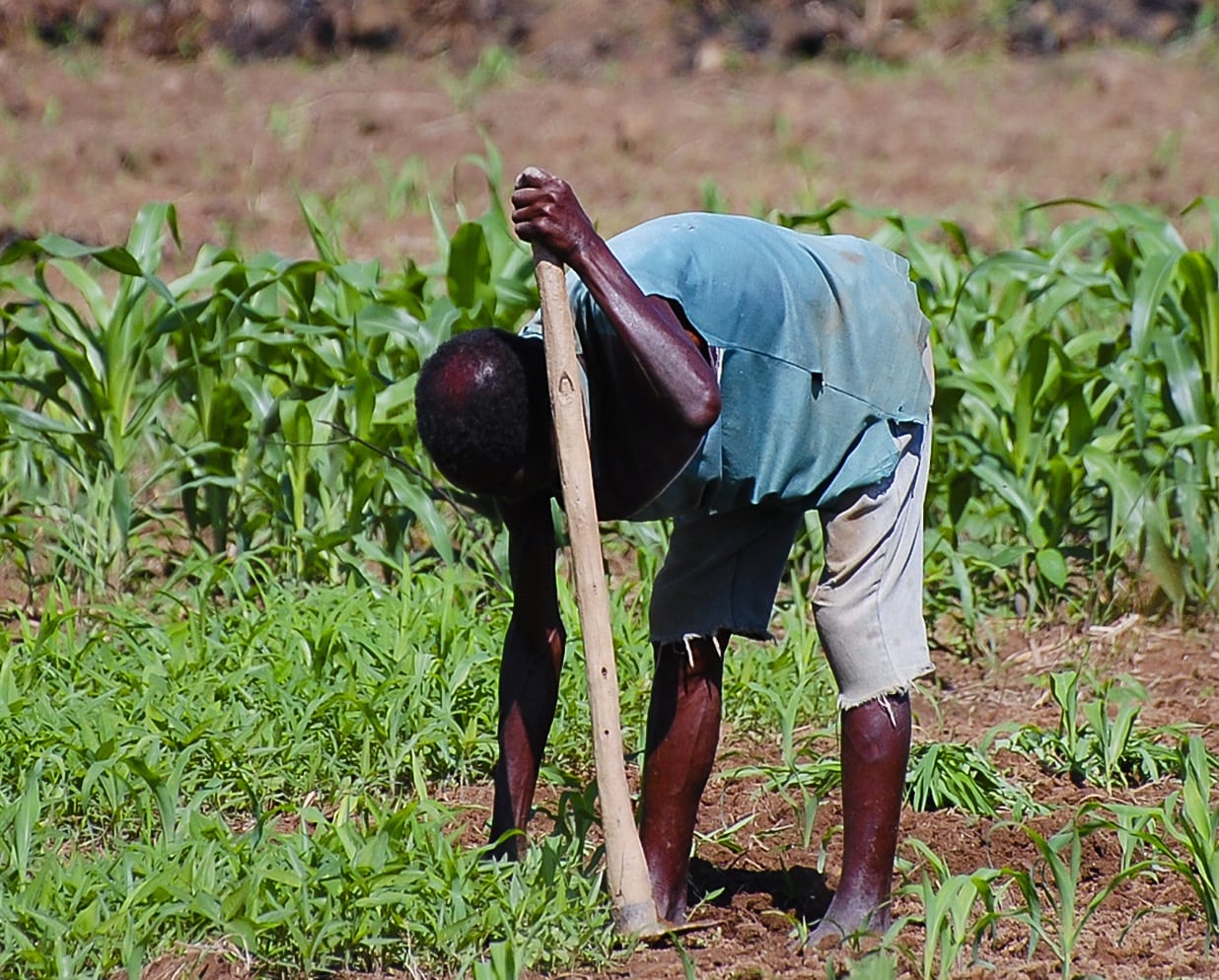
According to UNDP data cited in the original article, about 90% of Malawi’s residents live on less than 2 dollars a day, and 84% of them live in rural areas, most with less than one hectare. Until 2019, agriculture relied on small farms and unsustainable methods, and the rest of the food came from donations and from expensive, low quality imports.
The move
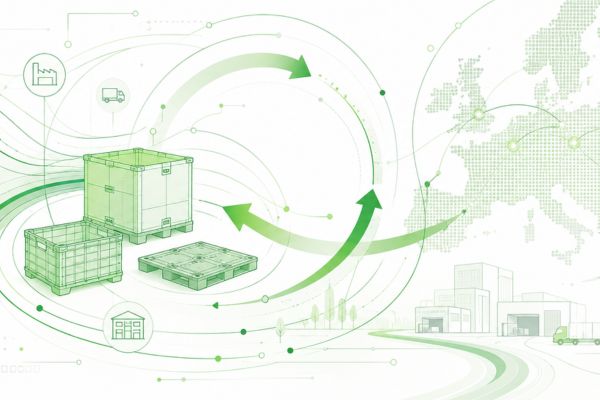
The government established a joint body with a private company and state farms for local production. The supply chain was shortened dramatically: instead of a long route through foreign countries with sea and air transport, only the distributor and direct land transport remained.
The results
Prices of tomatoes, cucumbers, peppers and melons fell by about 40% on average. A family of four with an income of about 205 dollars a month can now spend about half of its income on food, which was not possible before.
The link to the UN goals
The project advances UN Goal 2, Zero Hunger, through sustainable agriculture, access to land and knowledge. It is still in its early stages, but estimates predict a significant improvement.
The conclusion is relevant to every supply chain: when you shorten the route and reduce the number of stops, you save money, fuel and emissions.