In November 2021, world leaders met in Glasgow for the COP26 climate conference. One of the key decisions: to completely halt deforestation within a decade. 105 countries, home to about 85% of the world’s forests, including Brazil, joined the decision, and about 20 billion dollars were raised to fund the goal.
Why are forests so important?
Forests absorb carbon dioxide and produce a significant share of the world’s oxygen. They are also home to two thirds of animal and plant species, some of which are endangered. Cutting and burning forests intensifies the greenhouse effect, and exposed soil erodes and leads to flooding.
Where does the wood go?
The timber industry employs millions of workers in logging, processing, transport and manufacturing. The main markets are construction, furniture, paper, heating and logistics and packaging. Single-use wooden pallets and crates are a significant part of the demand.
Why invest?
The sector is driven by strong economic interests, so banning is not enough; an alternative must be offered: substitute raw materials, agricultural development and employment, and the restoration of forests and populated areas.
What does this mean for the supply chain?
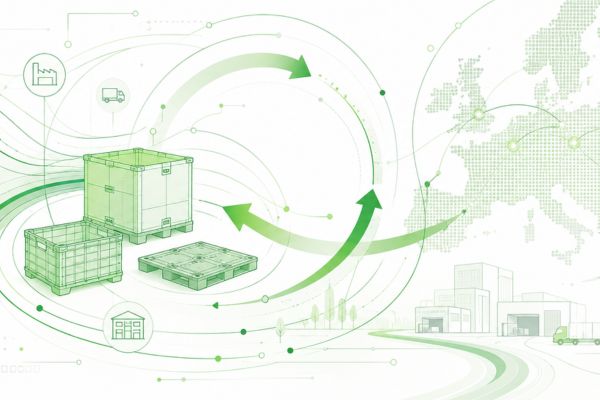
Every wooden crate thrown away after a single shipment is another tree cut down. Moving to reusable packaging managed within a reverse logistics network reduces the need for new wood, and so contributes directly to the global effort to protect forests.