Logistics is the backbone of the supply chain, and its constant movement has a direct impact on the environment. Online consumption has added a new dimension: not only shipping to the customer, but also shipping back.
The bracketing phenomenon
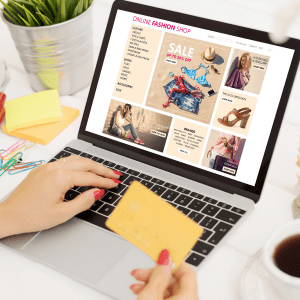
Many customers order several sizes or colors of the same product, keep one and return the rest. Suppliers encourage this with convenient return policies, to build trust and increase sales. According to the data cited in the original article, in 2020 about two thirds of online purchases included several items of the same product.
And the environmental side?
- About 17 billion products are returned worldwide every year.
- In the US alone, transporting returns is responsible for more than 15 million tons of CO₂ emissions a year.
- Most returned items are clothing and textiles, and very few of them are resold, because cleaning, repair, storage and transport cost more than the product itself.
Today’s treasure is tomorrow’s waste
Many returns end up in landfills, together with large amounts of packaging waste. This is exactly where circular economy thinking is needed.
What are companies and organizations doing?
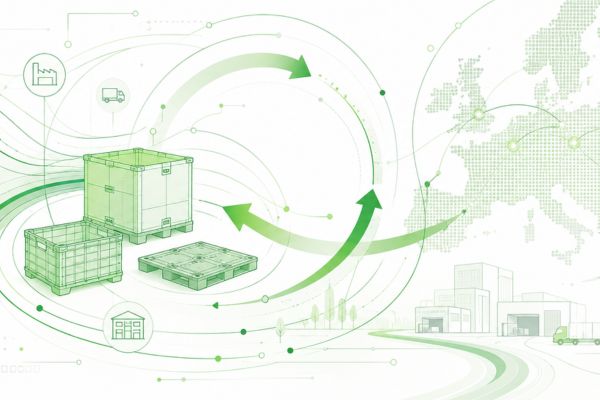
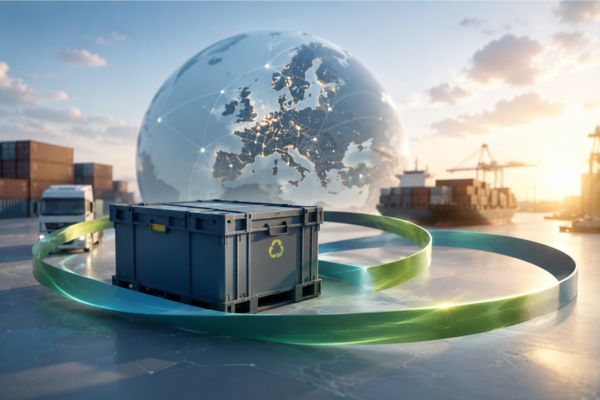
- Implementing circular logistics and reusable packaging.
- Integrating sustainability as a marketing value and not just an obligation.
- Preparing for environmental regulation that imposes fines on packaging waste.
- Improving the shopping experience: accurate sizes and descriptions, realistic visualization and virtual fitting, so that customers return less.
Online shopping is not going away. The question is whether we will know how to manage its return path in a smart and green way.