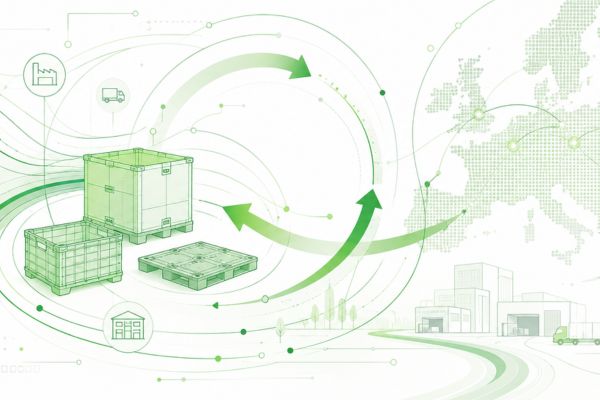

November and December are the peak months of online shopping. Giants such as Amazon, Alibaba and ASOS step up their marketing, prices drop and paying by credit card becomes easier than ever. Behind every click stands a global logistics system of aircraft, ships, trucks and warehouses.
The expectation of fast delivery
Consumers expect to receive a shirt from overseas almost as quickly as they order food. To meet this expectation, online companies operate a global distribution network managed by advanced computer systems, which burns large amounts of fuel.
Three sources of damage
- Transport: according to the original article, emissions from aircraft and ships together account for about 4% of global emissions, more than most countries.
- Packaging: in China alone, about 3 billion parcels were shipped on Singles’ Day that year.
- Textiles: clothing leads holiday shopping, and the textile industry pollutes from production to waste.
Leaders versus consumers
At climate conferences, leaders try to curb global warming through agreements and laws. But online suppliers work directly with consumers, worldwide and fast, and do not wait for agreements.
So what can we do?
The message is simple: buy less and more wisely, and demand that global companies integrate sustainability into the supply chain, from packaging to the return path.