The supply chain affects sustainability, and multinational corporations have enormous power to advance it. Michelin is an interesting example.
Who invented the wheel?
The wheel evolved from wood, through iron reinforcements, to the tire. In 1888 the Scotsman Dunlop patented an air filled tire, and by 1895 the Michelin brothers were already using it in France. Today billions of tires are replaced worldwide, a real environmental challenge.
A fast response during COVID
When the pandemic broke out, Michelin began producing protective masks at ten sites, and at the request of the French Ministry of Health developed a reusable mask with washable filters for about 100 uses. Some of the components were 3D printed.
Sustainability in numbers
According to its 2019 report, Michelin employs more than 127,000 people in 126 plants and research centers, and reports reductions in waste, emissions and water and energy consumption, as well as tens of thousands of volunteer workdays a year.
Purchasing power
More than 700 purchasing professionals work with about 50,000 suppliers. The sustainability policy is available in 14 languages, and the sustainability score affects supplier selection. Since 2012, a training program has been running for rubber suppliers in risk countries such as Thailand, Indonesia and Vietnam, and in 2019, 715 of 812 suppliers completed it successfully.
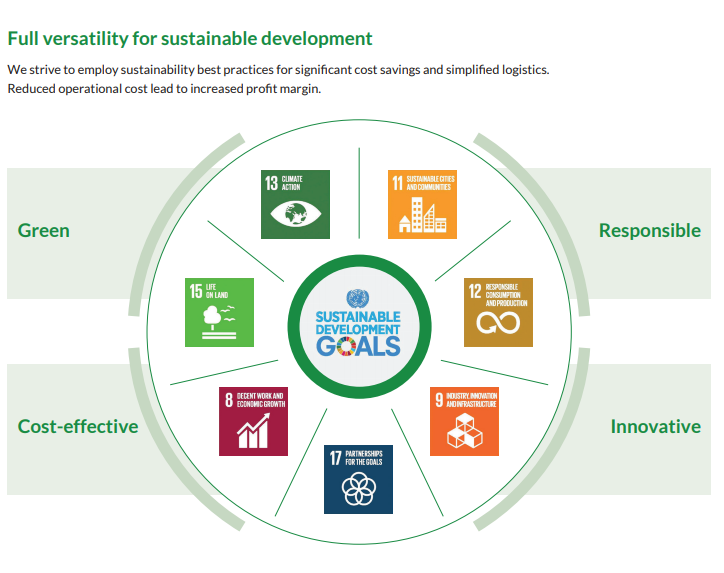
The conclusion: when sustainability is in a company’s DNA, it rolls through the entire supply chain.