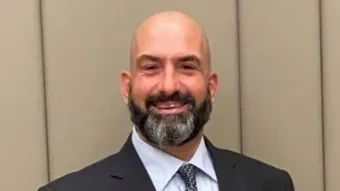
Eran Tamir, CEO of ICL Israel Cargo Logistics, is a guest lecturer in the “Logistics in the Age of Sustainability” course in the master’s program in Global Logistics at the Ruppin Academic Center. We spoke with him about managing the supply chain in a crisis.
What does COVID have to do with logistics?
China stopped producing, a global race for medical equipment began and aviation almost came to a halt. The crisis exposed both the importance and the vulnerability of the supply chain.
Four principles
Even before the pandemic reached Israel, the company defined four principles: health, flexibility, financial vigilance and commerciality, under the motto “business must keep moving forward”.
Two circles
- The outer circle: customer service and finding alternative sea, land and air transport options.
- The inner circle: employees and financial stability. At the height of the crisis, about 90% of the group’s employees worked from home.
On the ground
ICL was declared an essential business, operated air bridges and chartered flights, among other things to carry dozens of tons of test kits from China and Korea for the Ministries of Defense and Health.
What will change?
Tamir expects shorter supply chains, smart inventory management, digitization and global control systems. He concludes with three messages: prepare a plan for extreme scenarios, understand that we are all a “global village”, and remember that the green trend has turned out to be more achievable than we thought.