For many years, ESG discussions focused primarily on energy consumption, emissions, and manufacturing processes. Today, packaging is becoming an increasingly important part of the conversation. Across global supply chains, companies are beginning to recognize that packaging decisions influence not only transportation efficiency, but also waste generation, operational visibility, resource utilization, and long-term sustainability performance.
This shift is accelerating as European markets prepare for the implementation of PPWR in August 2026. The regulation is expected to strengthen the transition toward reusable and more traceable packaging systems throughout the movement of goods into Europe. As a result, packaging is gradually moving from a logistical afterthought to a strategic operational topic connected to ESG readiness and long-term supply chain planning.
The discussion is especially relevant for industrial B2B supply chains, where packaging moves continuously between manufacturers, suppliers, importers, warehouses, and end customers across multiple countries.
ESG Is Expanding Beyond Manufacturing Operations
Many companies traditionally approached ESG through areas such as production efficiency, renewable energy, and emissions reporting. While these areas remain critical, organizations are increasingly examining the broader operational ecosystem surrounding the movement of goods.
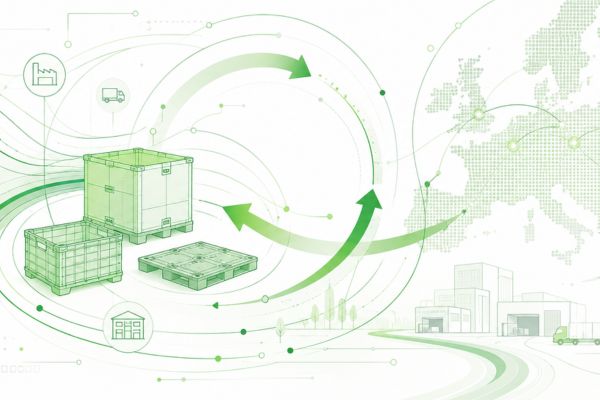
Packaging has become part of this evaluation because it directly affects several areas connected to ESG performance. One-way packaging models often generate continuous waste streams, repeated raw material consumption, and inefficient disposal processes across international logistics operations. In contrast, reusable packaging systems support longer lifecycle utilization and may reduce the operational burden associated with constant packaging replacement.
This is one of the reasons why packaging is becoming more visible within procurement discussions, operational planning, and corporate sustainability strategies. Companies are beginning to understand that packaging decisions can influence both environmental performance and supply chain efficiency simultaneously.
According to operational trends observed by EcoHandling, many exporters and importers are already reassessing how reusable packaging and reverse logistics programs may support future ESG and compliance objectives across European supply chains.
European Supply Chains Are Moving Toward Reuse Models
The growing focus on reusable packaging is closely connected to broader changes taking place within European supply chains. Importers, distributors, and logistics operators are increasingly evaluating how reusable systems can support circular logistics models while improving operational coordination.
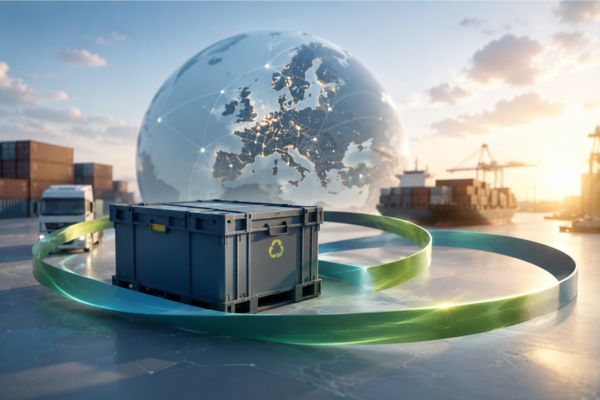
In many industries, packaging is no longer viewed only as a shipping material. It is gradually becoming part of the infrastructure supporting product movement throughout global operations. This creates new interest in packaging systems that can support repeated use, controlled return flows, and better visibility across supply chain networks.
The shift is particularly noticeable in sectors operating continuous shipment programs into Europe, including industrial manufacturing, electronics, medical systems, automotive supply chains, and high-value equipment transportation. In these environments, reusable packaging is increasingly associated with operational stability, consistency, and long-term resource management.
EcoHandling, which specializes in reverse logistics and reusable packaging operations, is seeing growing demand for structured return flows capable of supporting long-term packaging reuse across multiple European destinations and logistics partners.
Packaging Visibility Is Becoming Part of ESG Readiness
Another important development is the growing connection between ESG strategy and operational visibility. Companies are increasingly expected to understand how materials move through their supply chains, how resources are utilized, and where operational inefficiencies exist.
This trend is pushing organizations to examine packaging flows more carefully. Questions regarding packaging location, reuse frequency, recovery processes, and return coordination are becoming more relevant as companies seek greater transparency across logistics operations.
Reusable packaging systems often require higher levels of coordination and tracking than traditional one-way packaging models. As a result, businesses are beginning to connect packaging management with broader discussions around supply chain visibility, operational reporting, and logistics performance.
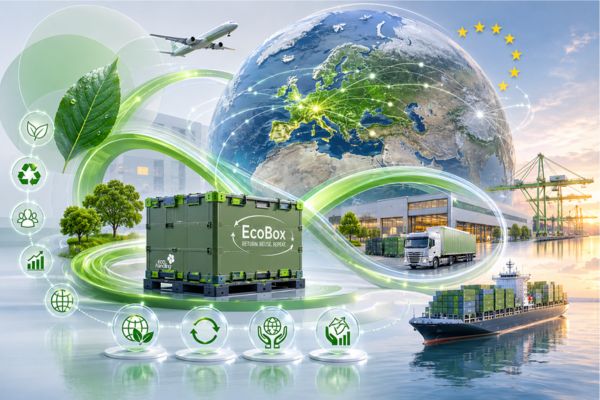
The conversation is therefore evolving from packaging disposal toward packaging lifecycle management. This represents a significant operational and strategic shift for companies involved in international trade. Reusable industrial platforms such as EcoBox are increasingly being evaluated as part of this transition, particularly in industries where packaging moves repeatedly between production facilities, distributors, and customers across Europe.
Reusable Packaging Is Becoming Part of Long-Term Supply Chain Planning
The growing interest in reusable packaging is not driven solely by regulation or sustainability targets. It also reflects broader operational concerns related to supply chain resilience, material availability, transportation efficiency, and long-term cost management.
Many organizations are beginning to recognize that packaging systems influence far more than shipment protection alone. Packaging affects storage efficiency, return logistics, operational continuity, waste handling, and cross-border coordination throughout the supply chain.
Within this evolving environment, reusable packaging is increasingly viewed as part of a long-term infrastructure strategy supporting more stable and circular supply chain operations. Companies moving goods into Europe are gradually reassessing how packaging fits into future operational models and how reusable systems may support both ESG readiness and logistics efficiency over time.
As European markets continue transitioning toward circular logistics frameworks, reusable packaging is becoming closely connected to the future structure of global supply chains. Companies specializing in reverse logistics and packaging return operations, such as EcoHandling, are already participating in the operational transition toward more connected and reusable supply chain models. Solutions such as EcoBox are increasingly becoming part of the broader discussion around industrial reusable packaging infrastructure designed for continuous international logistics cycles.