EcoHandling is a global company specializing in smart TAKE-BACK solutions for reusable packaging and end-of-life product returns for recycling. These solutions are implemented across a wide range of industrial and commercial sectors, helping companies improve their environmental performance while creating economic and logistical value.
TAKE-BACK – More Than Just Product Returns
In the B2B world, modern business models go beyond supplying a product or service. Today’s strategies consider the entire product lifecycle—including what happens after use. This is where TAKE-BACK systems come into play, introducing new value drivers such as extended producer responsibility, supply chain efficiency, cost reduction, and environmental accountability.
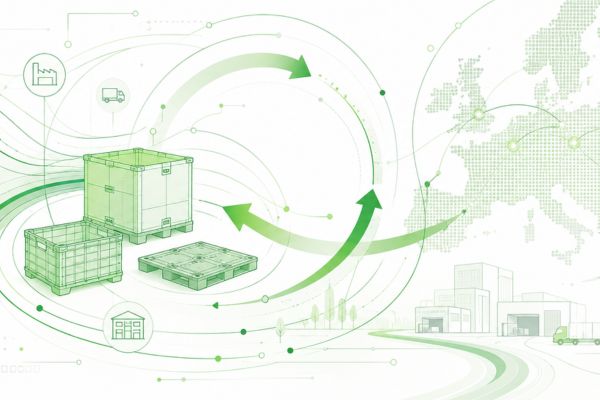
TAKE-BACK operations involve the return of equipment, components, or reusable packaging once they’ve reached the end of their use. These items are collected from customers and sent back for inspection, refurbishment, or recycling. Rather than treating these products as waste, TAKE-BACK systems re-integrate them into the value chain.
Business Advantages for B2B Companies
- Improved Supply Chain Efficiency
Reverse logistics enables better inventory control, reduces the need to purchase new packaging or components, and lowers storage and transportation costs. - Regulatory Compliance and Corporate Responsibility
Many global regulations—such as EU directives on electronic and plastic waste—require companies to demonstrate how they handle post-use materials. A TAKE-BACK system provides a compliant and trackable solution. - Brand Positioning and Sustainability Leadership
As sustainability becomes a key concern in the B2B space, clients and partners seek responsible suppliers. Implementing TAKE-BACK programs enhances the company’s image as an innovative and accountable leader. - Cost Savings through Reuse and Recycling
Returned equipment that is refurbished and reused saves on procurement costs. Even materials that can’t be reused may still generate revenue through recycling.
Real-World Applications
- Reusable Packaging: Many B2B companies use heavy-duty plastic crates to transport goods. A TAKE-BACK system collects these crates, cleans and inspects them, and redistributes them—preserving quality and reducing waste.
- Industrial Electronics: Manufacturers of industrial systems often retrieve used circuit boards, modules, or components for repair and reintegration, minimizing the need for replacements.
- Automotive and Energy Sectors: Batteries, propulsion parts, and hazardous material containers benefit from structured TAKE-BACK systems for proper disposal or refurbishment.
Common Challenges – and How to Overcome Them
Of course, not every company is immediately equipped to launch a TAKE-BACK program. Challenges include:
- Monitoring and Documentation – Effective reverse logistics requires digital systems to track returns and treatment processes.
- Logistical Complexity – Global collection requires partnerships or a dedicated infrastructure.
- Sorting and Processing – Determining which items can be reused, recycled, or discarded demands technical expertise.
This is where EcoHandling comes in—offering end-to-end services, from strategic planning to global logistics and technical processing, all tailored to B2B client needs.
Conclusion – A WIN-WIN Strategy
Adopting a TAKE-BACK strategy is not only environmentally responsible—it’s a smart, competitive business move. When reverse logistics is built into the company’s supply chain, it delivers regulatory compliance, cost savings, and stronger customer relationships.
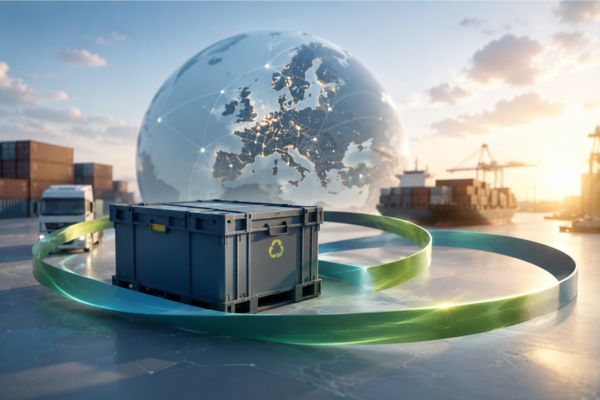
EcoHandling provides global TAKE-BACK services for B2B companies seeking to optimize packaging reuse and manage end-of-life product returns. From reusable crates to recycling programs, EcoHandling helps clients meet the highest environmental and operational standards. This is more than logistics—it’s a sustainability-driven innovation strategy.