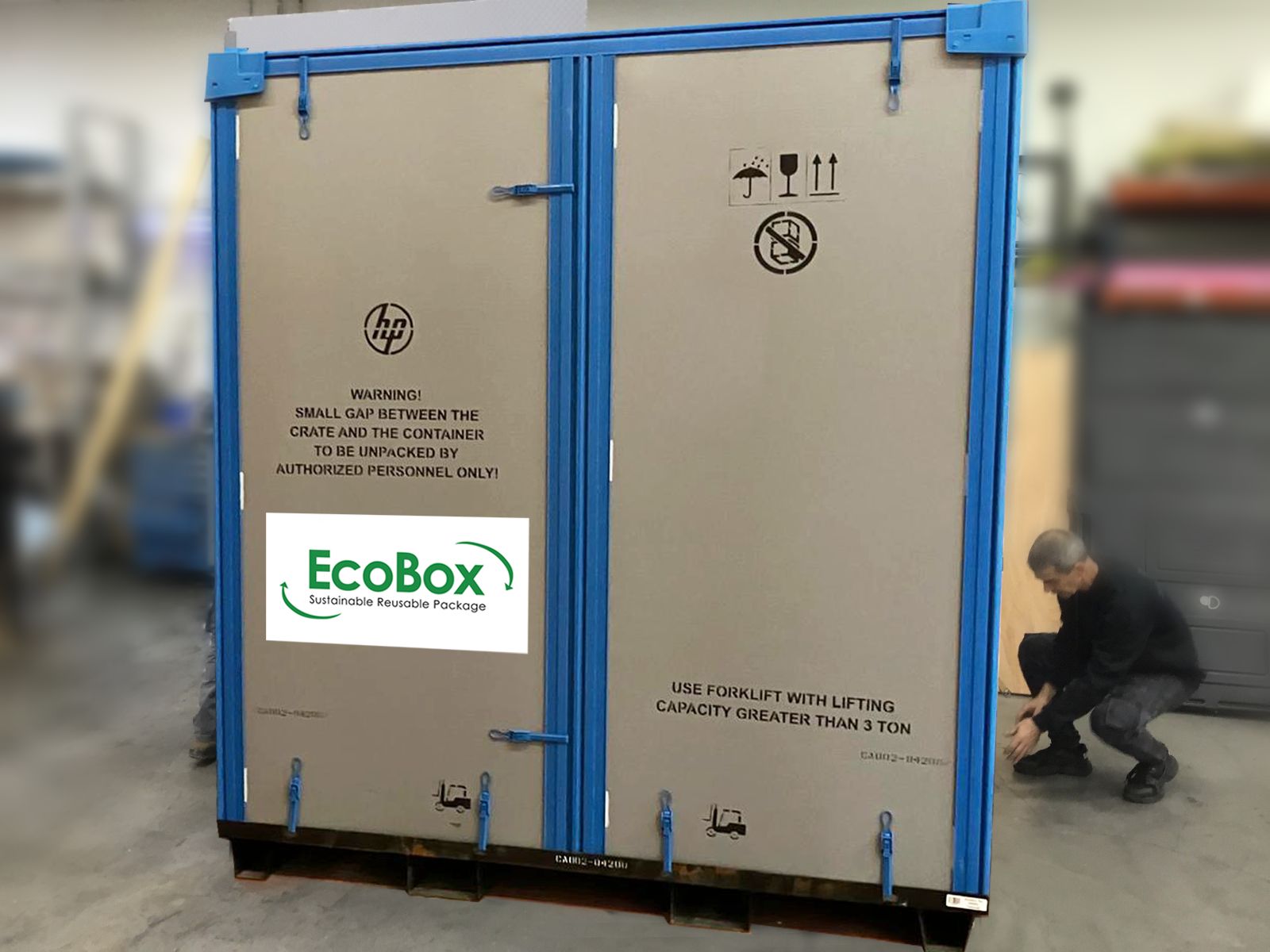
In the realm of industrial logistics, maintaining the integrity and functionality of equipment throughout the supply chain is essential. For industries handling sensitive or high-value equipment—such as capital equipment, printing machinery, and medical devices—exposure to water and dust can result in significant damage, leading to operational delays, costly repairs, or even loss of assets. EcoBox offers advanced packaging solutions designed to provide exceptional protection against water and dust, ensuring equipment reaches its destination in optimal condition.
Protection Against Environmental Risks
Water and dust pose serious threats to industrial equipment during transportation and storage. Moisture can lead to corrosion, electrical failures, and degradation of delicate components, while dust infiltration can disrupt moving parts, compromise precision mechanisms, and contaminate sensitive surfaces.
EcoBox packaging is engineered to create a robust barrier against these risks. Through advanced sealing techniques and durable materials, EcoBox ensures equipment remains safe from environmental hazards, even in the harshest conditions.
Key Benefits of Water and Dust Protection
1. Preserving Product Integrity
Waterproof and dust-resistant packaging safeguards the structural and functional integrity of equipment throughout the supply chain. For example:
- Capital Equipment: Prevents rust and mechanical damage during transportation or extended storage.
- Printing Machinery: Shields sensitive components from dust that could interfere with printing precision.
- Medical Devices: Protects sterile or delicate equipment from contamination, ensuring compliance with stringent industry standards.
By mitigating exposure to these environmental hazards, EcoBox ensures that equipment arrives ready for use.
2. Reducing Costs and Delays
Damage caused by water or dust often results in unplanned expenses for maintenance, repairs, or replacements. EcoBox minimizes these risks by providing packaging that addresses the root causes of such damage.
Additionally, the protective features of EcoBox significantly reduce the likelihood of delivery delays caused by compromised equipment. By ensuring product quality, businesses can streamline operations and avoid disruptions in their supply chains.
3. Supporting Sustainability Goals
EcoBox’s reusable design not only protects equipment but also aligns with sustainability objectives. Its water- and dust-resistant features reduce the need for additional protective layers or materials, minimizing waste and conserving resources.
Moreover, by extending the lifecycle of the packaging, EcoBox helps industries lower their environmental footprint while maintaining superior protection standards.
4. Meeting Global Logistics Demands
For industries engaged in international trade, where equipment may face diverse and challenging environmental conditions, water and dust protection is crucial. EcoBox is designed to withstand these variables, ensuring equipment remains protected whether transported through arid deserts, humid climates, or industrially polluted environments.
This versatility makes EcoBox an ideal solution for businesses operating in global markets.
Real-World Applications
EcoBox’s advanced water and dust protection is transforming logistics for:
- Capital Equipment: Safeguarding large-scale machinery during long-term storage or overseas shipping.
- Printing Machinery: Protecting high-value equipment from environmental contaminants during transport or on-site.
- Medical Devices: Ensuring sterile transport of diagnostic and therapeutic tools.
These protective features enable businesses to maintain quality assurance and meet industry standards without compromising efficiency.
Innovative Water and Dust Protection
EcoBox packaging incorporates innovative sealing mechanisms and durable materials to provide unparalleled water and dust resistance. Unlike traditional single-use wooden packaging, which often lacks sufficient environmental protection, EcoBox delivers superior performance while remaining lightweight and easy to handle.
Its design includes quick assembly and disassembly, eliminating the need for nails or screws commonly found in traditional packaging. This not only simplifies operations but also reduces safety risks, ensuring the highest levels of environmental protection.
A Comprehensive Solution for Industrial Logistics
EcoBox offers an exceptional combination of protection, efficiency, and sustainability. Its ability to shield equipment from water and dust across the supply chain ensures businesses can deliver products in perfect condition while meeting the rigorous demands of industries where precision and reliability are non-negotiable.
Whether shipping capital equipment, printing machinery, or medical devices, EcoBox provides the ultimate solution for safeguarding high-value equipment from environmental risks. Choose EcoBox and ensure your operations remain resilient, efficient, and environmentally responsible.