
Sustainability

Sustainability you can measure

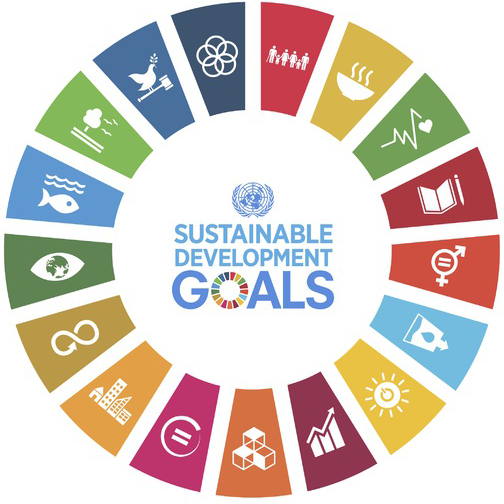
UN Sustainable Development Goals

At EcoHandling, sustainability starts with the packaging itself. Reusable packages, managed and measured over time, reduce production, waste and emissions, and turn an organization’s sustainability goals into real, measurable improvement.

A global trend. The world is moving from single-use packaging to packaging that is reused. The reusable transport packaging market is estimated at about 120 billion dollars and is expected to grow by about 6% a year (Grand View Research, 2026). Three forces drive this growth: regulation that makes producers responsible for the packaging they place on the market, ESG reporting requirements from investors and customers, and the cost savings of reuse.

Europe. The European packaging regulation PPWR applies directly in all EU member states from August 2026, and for the first time sets binding reuse targets for transport packaging, including crates, pallets and containers: a binding target of at least 40% from 2030 and an indicative target of 70% for 2040, in the uses the regulation defines. Alongside it, Extended Producer Responsibility (EPR) schemes operate in dozens of European countries, and the ISO 18603 standard defines when packaging is considered reusable and what system is required around it.

United States. There is no single federal law, but seven states have already passed Extended Producer Responsibility laws for packaging: California, Colorado, Oregon, Maine, Minnesota, Maryland and Washington. In Oregon and Colorado the programs are already running, and in California the SB 54 law also requires producers to run source reduction programs. The direction is clear: whoever places single-use packaging on the market pays for it.

Asia and the East. South Korea runs one of the strictest producer responsibility systems in the world. In Japan, a law promoting plastic resource circulation came into force in 2022, requiring businesses to reduce their plastic waste. In India, producers and importers are responsible for collecting and recycling their plastic packaging, and in China the major shipping companies are already moving to reusable shipping boxes.

What this means for you. In international trade, single-use wooden packaging is subject to the ISPM 15 standard, which requires debarking, heat treatment or fumigation and marking of every package. EcoHandling’s plastic packaging is exempt from this requirement, fits the direction regulation is taking in every market, and comes with measurable usage data from the EcoFlow system. Our circular logistics contributes to five of the UN Sustainable Development Goals, and helps customers meet regulatory requirements and ESG reporting requirements.

Up to 70%reduced emissions
Hundredsof use cycles per package
5UN SDGs

The extent of the savings varies from project to project and depends on the characteristics of the product, the packaging and the supply chain.

Green · Businesswise · Innovative · Social

Six direct contributions

In addition to cost reduction, EcoHandling packaging provides added social benefits. These are the sustainability benefits our customers receive:

Forest preservation

Reusable packaging instead of single-use wooden crates reduces deforestation, habitat damage and the loss of biodiversity. A preserved forest keeps absorbing carbon, instead of becoming land that is burned and releases carbon into the atmosphere.

15Life on Land
Pollution reduction

Less production, less waste and fewer recycling and disposal processes reduce pollution of the air, the soil and the seas.

Reduced greenhouse gas emissions

Up to 70% reduced emissions along the value chain: less raw material production, less raw material transport and less waste handling.

13Climate Action
Worker safety

Durable packaging designed for the equipment and the transport conditions makes loading, unloading, folding and assembly safer.

8Decent Work and Economic Growth
Increased CSR values

Measurable improvement in sustainability performance strengthens the organization’s corporate responsibility and its standing with customers, partners and investors.

12Responsible Consumption and Production
Less pressure on local landfills

Less packaging waste means less pressure on landfills and disposal facilities near communities, and less pollution in cities.

Regulation

PPWR: the European packaging regulation

What the regulation sets out

The EU Packaging and Packaging Waste Regulation (PPWR), Regulation 2025/40, entered into force in February 2025 and applies from 12 August 2026. It replaces the previous directive and, for the first time, sets binding reuse targets for packaging alongside targets for reducing packaging waste.

  • From 1 January 2030, at least 40% of transport packaging, such as pallets, foldable crates, boxes and containers, must be reusable and operate within a reuse system. An indicative target of 70% is set for 2040.
  • For transport between sites of the same company within the EU, a target of 100% reuse applies.
  • Member states must reduce packaging waste by 5% by 2030, 10% by 2035 and 15% by 2040, compared with 2018.
UN goals in this chapter
SDG9Industry, Innovation and Infrastructure
SDG12Responsible Consumption and Production
01

What this means for you

For companies that export to Europe or operate in European supply chains, this means moving from single-use packaging to a managed, measurable reuse system. The regulation sets the direction for the European market and is binding for most types of transport packaging. Even where an exemption exists, such as packaging custom designed for heavy machinery, reuse meets waste reduction targets and customers’ reporting requirements.

EcoHandling provides every component of the system: reusable packaging, reverse logistics, and inventory management and tracking in EcoFlow. This way you can both operate reuse and prove it.

Further reading in our magazine: PPWR 2026 changes the rules of the game·What European importers will start demanding from exporters

UN goals in this chapter
SDG12Responsible Consumption and Production
02

ESG sustainability

ESG: from statement to data

The challenge

ESG requirements keep expanding, but there is a significant gap between policy statements and actual operational implementation. Single-use packaging creates waste, requires repeated production of raw materials and leads to recycling and disposal processes that involve emissions and costs.

The main challenge is to translate sustainability principles into daily operations without compromising costs or performance. Organizations are required to show improvement in environmental metrics, but struggle to implement a solution that creates real, measurable and lasting impact. Without an operational system that combines reuse, proper resource management and measurement capability, sustainability remains a declaration only and creates no real value for the organization.

UN goals in this chapter
SDG12Responsible Consumption and Production
SDG13Climate Action
01

The solution

The solution is to make sustainability an integral part of the operating model, by moving to reusable packages managed over time. Reusing packages directly reduces the need to produce new raw materials, easing the pressure on natural resources, including the deforestation required to produce single-use packaging. At the same time, the volume of waste shrinks and recycling and disposal processes are significantly reduced.

This reduction also cuts emissions along the value chain, from raw material production, through manufacturing processes, to waste handling. The result is a model in which reducing environmental impact is not a separate action, but a direct result of the way the system works.

UN goals in this chapter
SDG13Climate Action
SDG15Life on Land
02

How it works: sustainability you can measure

EcoHandling implements sustainability through an operational system that allows full measurement of package use and its impact over time. The system tracks the movement and actual use of the packages, and measures the number of use cycles of each package. This data makes it possible to calculate the savings in new raw material production, the reduction in waste and the decrease in recycling and disposal processes. It is also possible to estimate the impact on emissions, resulting from the reduced need for production, raw material transport and waste handling.

  1. 1TrackingThe system tracks the movement and actual use of the packages
  2. 2Cycle measurementThe number of use cycles of each package is measured
  3. 3Calculating the savingsIn raw materials, waste, and recycling and disposal processes
  4. 4ESG reportingEstimating the emission reduction and a full picture of the improvement

This provides a full picture of the environmental improvement resulting from the move to reuse and of the rise in ESG metrics, and the customer receives solid data for its sustainability reports.

UN goals in this chapter
SDG9Industry, Innovation and Infrastructure
SDG12Responsible Consumption and Production
03

Value for the customer: from sustainability to business asset

The model creates a clear, measurable improvement in ESG metrics, with a direct impact on reducing emissions, deforestation, waste and the scale of recycling and disposal processes. This improvement does not stay at the operational level only, but becomes a strategic asset for the organization.

ESG performance is now a key parameter in evaluating companies: there is constant comparison between similar companies, dedicated indices on stock exchanges around the world and growing demands from business partners, customers and regulators. Organizations operating in global markets are required to present clear, proven sustainability performance data. The ability to show data based improvement strengthens the organization’s position with international partners, and allows it to take part in advanced projects and supply chains and to meet the requirements of bodies that work to strict environmental standards.

In addition, there is a growing flow of capital into companies that operate in an environmentally responsible way. Strong ESG performance affects access to financing, investment terms and company valuation, and organizations that reduce their environmental impact enjoy a clear advantage in raising capital and in long term contracts.

What the organization gains

Cost savingsRegulatory complianceStronger market positioningAccess to financing and capitalImproved company valuationNew business opportunitiesIntegration into advanced supply chains

In this way sustainability turns from an obligation into tangible business value that supports the organization’s growth and development over time.

Further reading in our magazine: Reusable packaging becomes part of ESG strategy

UN goals in this chapter
SDG8Decent Work and Economic Growth
04

UN goals

The UN Sustainable Development Goals (SDGs) our work contributes to

In 2015 the countries of the world adopted 17 Sustainable Development Goals, which have become a common language for governments and businesses. EcoHandling’s circular logistics contributes to five of them:

SDG8
Goal 8: Decent Work and Economic Growth

Improving economic efficiency, labor productivity and resource use, along with safer work.

SDG9
Goal 9: Industry, Innovation and Infrastructure

Promoting advanced, sustainable manufacturing, upgrading logistics infrastructure and supporting research and development.

SDG12
Goal 12: Responsible Consumption and Production

Resource efficiency, waste reduction, encouraging packaging reuse and strengthening sustainability reporting.

SDG13
Goal 13: Climate Action

A considerable reduction in greenhouse gas emissions and a contribution to the fight against the climate crisis.

SDG15
Goal 15: Life on Land

Reducing deforestation, habitat damage and loss of biodiversity.

Want to improve your ESG metrics?

Leave your details in the form below, and together we will check how much waste, raw material and emissions you can save by moving to reusable packaging.