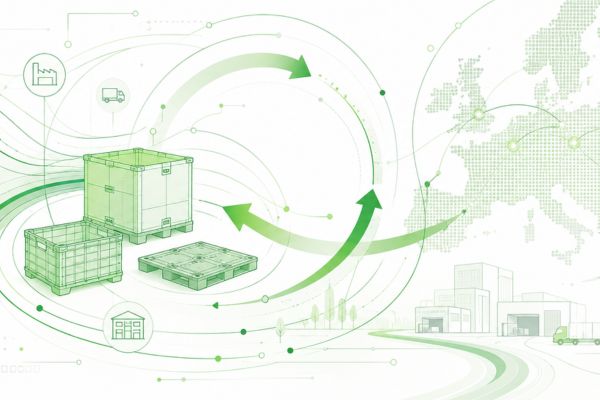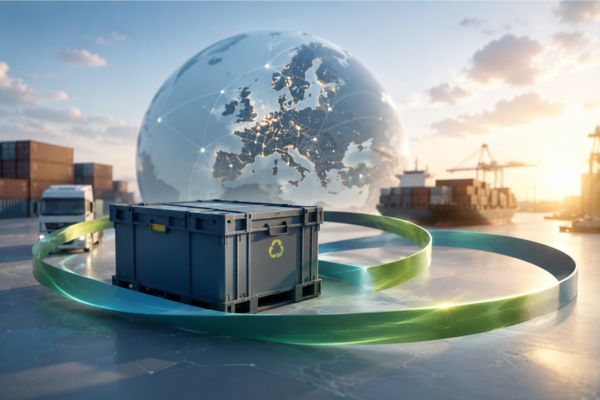
The circular economy aims to reduce the use of natural resources: instead of a product ending its life after a single use, every resource is used again and again. Logistics is the layer that connects the partners in the loop, and gives them an economic motivation.
Circularity that already works
- Batteries into lead: a plant in Ashdod has been melting old car batteries and producing lead ingots for decades.
- Collapsible crates for fruit and vegetables: they replace cardboard boxes, are cheaper over time and save on disposal.
- Shared bicycles: part of a city program with bike paths and an app, which reduces air pollution.
Two models
A reuse environment: return, upgrade, rental, shared consumption and the sale of used goods. A recycling environment: recycling, which relies on standards, training, subsidies and regulation such as the Packaging Law.
It starts with design
A circular product is designed from the outset to be durable, modular and easy to dismantle and repair.
Profit is what unites
For a manufacturer, distributor and customer to cooperate, everyone needs to benefit. Efficient commercial logistics, meaning collection, maintenance and resupply, is what makes the loop worthwhile, and that is why it is the main engine of the transition to a circular economy.