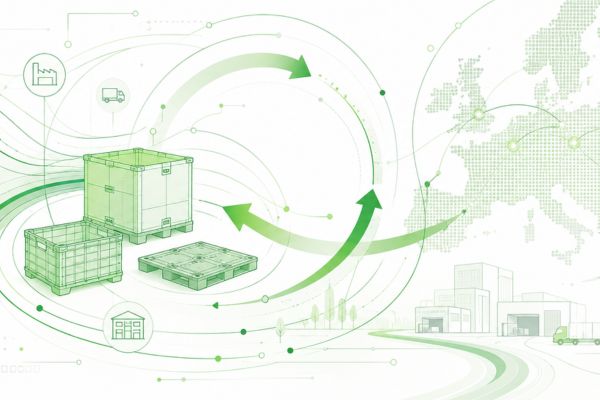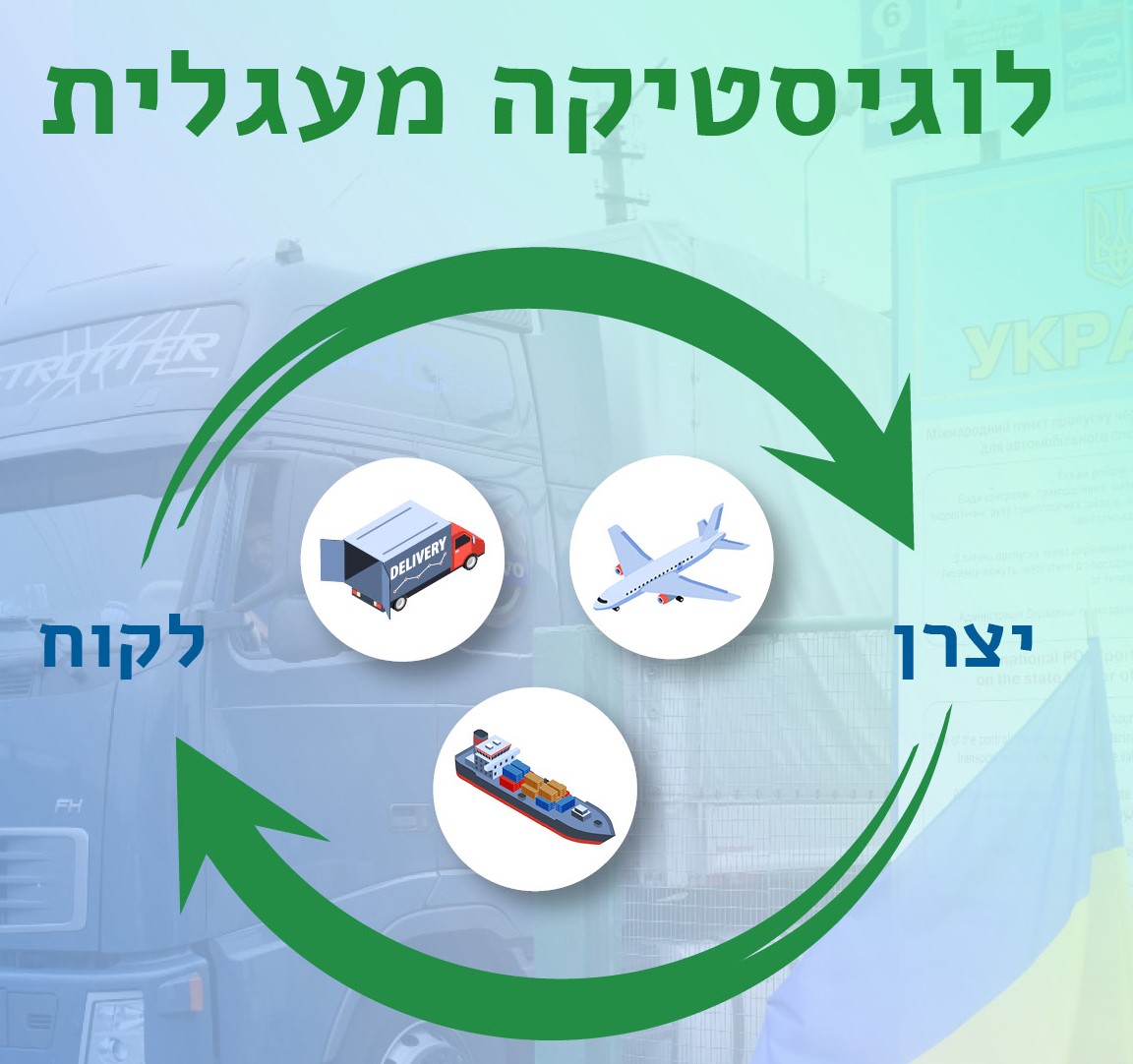
The supply chain emits large amounts of carbon and generates mountains of packaging waste. Circular logistics offers a different path: instead of “make, use and throw away”, return materials and products to the loop.
The demand for sustainability
The European Union leads in legislation, and companies such as Amazon, Apple, Michelin, Mercedes and Nestlé publish annual sustainability reports. In Israel too, suppliers are required to show improvement in sustainability metrics as a condition for doing business, and organizations are appointing sustainability managers. Alongside this, there are government initiatives such as the Center for Resource Efficiency and the Industrial Symbiosis project, in which the waste of one plant becomes the raw material of another.
“Invisible” logistics
The customer sees a delivery date and a tracking number, not the environmental cost. That is why it is important to involve logistics professionals already at the product design stage, and not only at the end of the process.
Two circular paths
- Reverse logistics: collecting the product or packaging from the customer and returning it to use, including rental, maintenance, repair, upgrade and resupply.
- Recycling logistics: collection and transfer for recycling: sorting, shredding and turning into raw material.
Packaging at the center
Packaging touches design, procurement and shipping. Reusable packaging relies on reverse logistics, while single-use packaging generates waste that requires recycling logistics. The cardboard and single-use plastic industries depend on logging and oil, which is why reusable packaging projects are not only green but also profitable.