Logistics moves raw materials to factories and products to customers, by road, rail, sea and air. The environmental price is clear: air pollution, noise, construction and packaging waste. As consumption grows, so do the fleets of trucks and ships, the warehouses and the packaging.
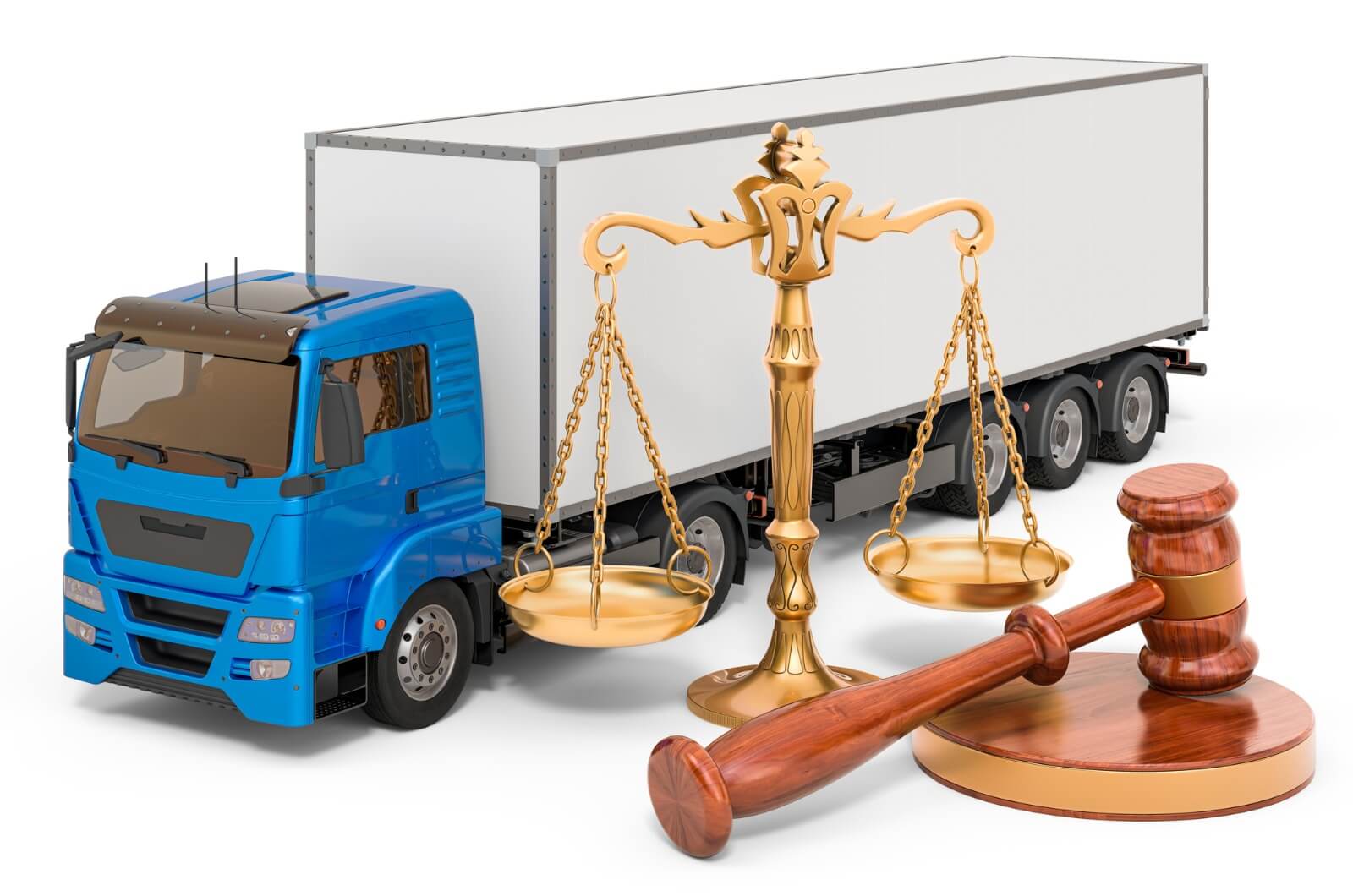
What is environmental legislation?
Laws and guidelines designed to protect the environment, following the understanding that emissions and pollution accelerate global warming. The UN has led such processes since the 1990s, and in 2015, 193 countries adopted the 17 Sustainable Development Goals (SDGs).
A central principle is “the polluter pays”: the responsibility of the manufacturer or importer for the product even after use, for example through collection systems for tires or packaging.
How does this affect logistics?
- Limits on sulfur in ship fuel: more expensive fuel and filters.
- Fines on packaging waste: encouraging reusable packaging and the recycling industry.
- Noise laws: restricting distribution hours and airport operating hours.
Legislation limits some existing activities, but it also opens new markets for green solutions.
Europe leads the way
The European Union leads environmental legislation, with strong public support in Germany, France and the Netherlands. An importer of single-use packaging is required to arrange for its removal or recycling and to report the quantities. North America and the Far East are following suit.
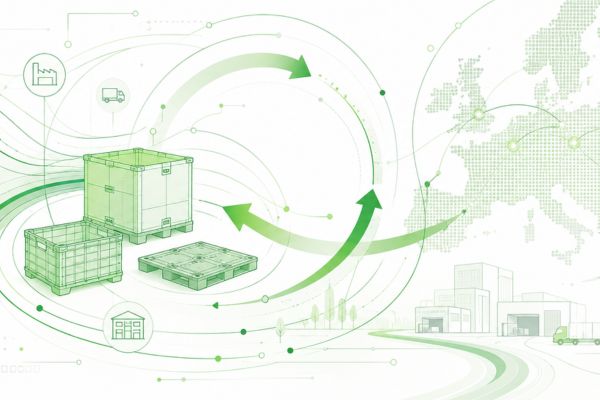
For companies exporting to Europe, reusable packaging with an organized return system is a practical way to meet the requirements, and to turn regulation into an advantage.